
The modern enterprise landscape demands efficiency and precision, especially when it comes to deploying technology solutions across multiple offices. The activation office plays a pivotal role in ensuring that software systems like operating systems and productivity suites are up and running with minimal downtime. With the increasing reliance on digital tools, the activation office’s responsibilities have expanded significantly, highlighting its importance in the contemporary business environment. The seamless integration of these technologies ensures that businesses remain competitive and capable of rapid response to market changes.
The Role of the Activation Office in Software Deployment
In any corporate IT environment, the activation office is responsible for managing software activation processes. This includes handling tasks related to product key allocation, license management, and overseeing the registration process for new software assets. By streamlining these tasks, businesses can ensure that their employees have access to necessary tools without delay. The activation office thus serves as a bridge between technology deployment and user readiness, ensuring that all digital tools are fully operational from day one. Moreover, this department plays a critical part in aligning IT capabilities with strategic business goals.
Understanding Activation: Beyond the Basics
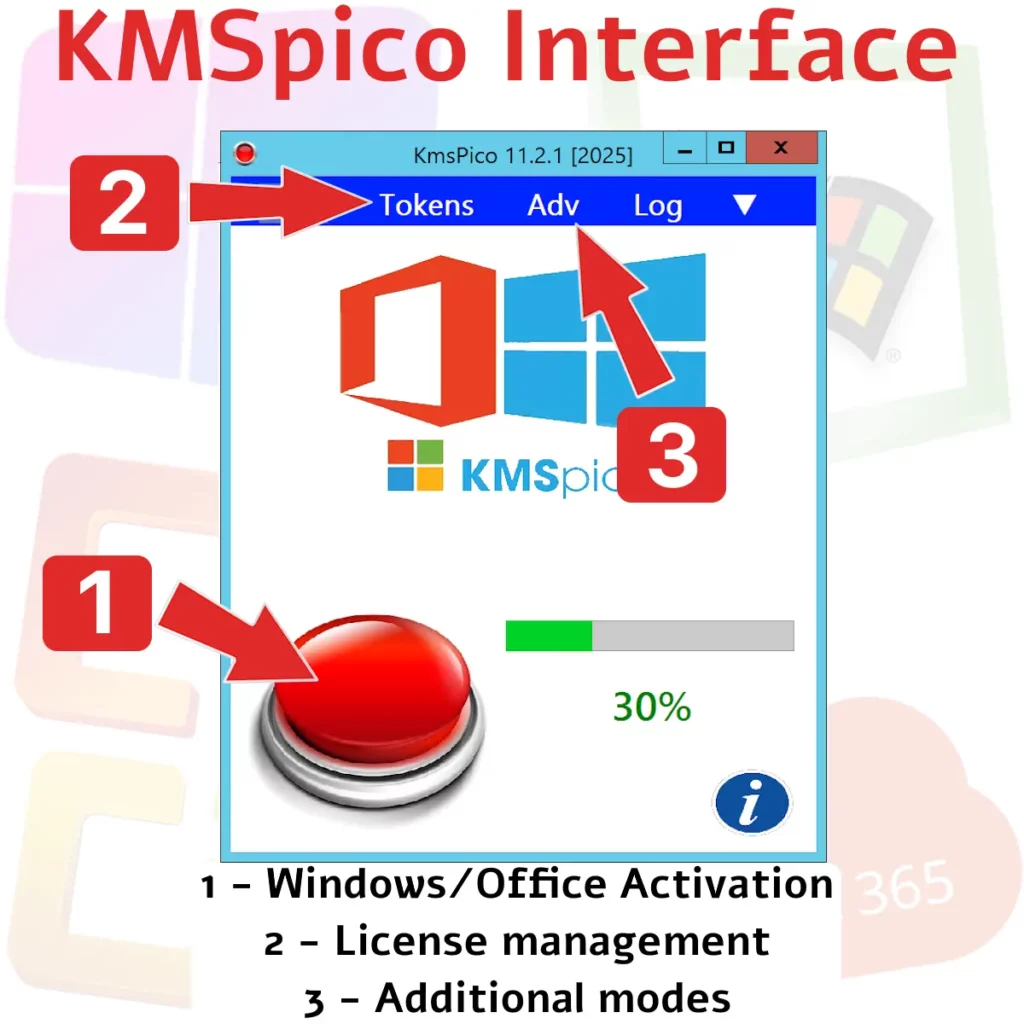
Activation is more than just entering a product key or an activation code; it’s about ensuring compliance across all devices within an organization. Tools like KMSpico Windows play an essential role in automating the Windows 10 KMS activation process. They help IT departments handle license management efficiently, preventing potential disruptions caused by expired licenses or non-compliance issues. Moreover, understanding the nuances of different software environments helps the activation office tailor solutions that meet specific organizational needs. The focus on compliance not only safeguards against legal troubles but also fosters a culture of integrity and responsibility within the organization.
Key Tools in the Activation Office Arsenal
One invaluable tool often used is DISM (Deployment Imaging Service and Management). This command-line tool helps IT specialists manage Windows images for deployment, making it easier to perform Windows activation en masse. Complementary tools like KMSpico 11 also aid in automating the Windows 10 activator tasks, further enhancing the efficiency of the activation office. These tools collectively empower IT teams to implement large-scale deployments with speed and accuracy, crucial for maintaining business continuity. As technology advances, the continual enhancement of these tools ensures they keep pace with new software versions and updates.
Challenges Faced by the Activation Office
Despite having a robust toolkit, the activation office must navigate various challenges. One significant challenge is dealing with multiple software versions across different departments. For example, transitioning from Windows 10 to Windows 11 may require different handling instructions for each system’s Windows 11 activator. Additionally, diverse hardware configurations can complicate deployment strategies, necessitating tailored approaches for different setups. These complexities require ongoing training and development for staff within the activation office to ensure they can effectively manage such transitions.
Lab Constraints Impacting Deployment Strategies
Lab constraints can heavily influence how deployments are scheduled and executed. For instance, testing environments might be limited to VM configurations with 2 vCPUs and 4 GB RAM. These constraints necessitate careful planning to avoid overloading resources during peak deployment times. The activation office must therefore strategize effectively to balance resource availability with deployment needs. Without such strategic foresight, organizations risk encountering significant bottlenecks that could impede operational efficiency.
Comparison
| Aspect | Office 365 | Google Workspace | Zoho Workplace |
|---|---|---|---|
| Activation Process | User-friendly, automated setup | Quick, simple online activation | Manual setup with support tools |
| Integration | Seamless with Microsoft products | Strong integration with Google apps | Integrates well with Zoho apps |
| Security Features | Advanced security options available | Robust security, frequent updates | Basic security, customizable settings |
| User Support | 24/7 support via multiple channels | Email and chat support available | Email support, limited hours |
Snapshot Timing: A Critical Consideration
Timing snapshots correctly is vital for minimizing disruption. Taking snapshots before initiating mass deployments ensures that any errors can be quickly rectified by reverting to previous states without extensive downtime. This proactive measure safeguards against potential setbacks and ensures smooth transitions during updates or new installations. It also provides a safety net that allows organizations to maintain service levels even amidst unforeseen technical difficulties.
Simplifying License Management and Compliance
The activation office must ensure that all software complies with licensing agreements. This involves regular audits of serial numbers and checking against purchased licenses. Automating this process reduces administrative overhead and helps maintain compliance effortlessly. Furthermore, it minimizes risks associated with non-compliance penalties or legal disputes. By instituting rigorous checks and balances within license management processes, companies can protect their reputations while avoiding costly fines and litigation.
Ensuring Seamless Registration Processes
Simplifying the registration process for new software installations is another critical task managed by the activation office. By establishing streamlined workflows, IT teams can quickly register new machines or update existing ones without tedious manual interventions. This not only speeds up onboarding processes but also enhances overall user satisfaction by reducing wait times. Efficient registration processes contribute significantly to employee productivity by ensuring immediate access to necessary applications upon starting work.
The Importance of Regular System Audits
Conducting regular audits not only ensures compliance but also identifies potential security risks associated with unlicensed or outdated software versions. Addressing these issues promptly protects organizations from legal ramifications and security threats. Regular audits serve as a preventive measure against vulnerabilities that could compromise organizational integrity. They also provide insights into usage patterns that can inform future purchasing decisions and strategic planning efforts.
The Future of Activation Offices in Enterprises
The increasing complexity of digital ecosystems suggests a growing role for the activation office in strategic planning. As more companies adopt cloud-based solutions and remote work models, efficient software deployment becomes even more critical. The ability to adapt swiftly to changing technological landscapes will define future success for many enterprises. The evolution of this department will likely involve closer collaboration with other areas of IT as well as increased involvement in high-level decision-making processes.
Adapting to New Technologies and Trends
The adoption of technologies such as virtualization and containerization presents new opportunities but also requires evolution in activation strategies. Staying abreast of these trends ensures that organizations remain agile and responsive to technological shifts. The activation office must continuously innovate its practices to align with emerging technologies while maximizing operational effectiveness. Embracing innovation not only drives business growth but also positions companies as leaders within their industries.
Conclusion: Enhancing Corporate Efficiency through Strategic Activations
An effective activation office not only manages existing infrastructure but anticipates future needs, thereby contributing significantly to overall corporate efficiency. By leveraging advanced tools and responding proactively to challenges, enterprises can achieve seamless rollouts while maintaining compliance and security standards. The strategic foresight offered by an adept activation office ensures sustained growth and adaptability in an ever-evolving technological landscape.