Original art
Use of this site constitutes acceptance of our Terms of Service and Privacy Policy.This site is designed to be compliant with current web accessibility standards, however if you’re having trouble accessing any area of the site please call (212) 226-2207 or email gallery@posteritati https://voltagebets.net/.com.
We have artist and designer sections with info on more than 13,000 posters. Check out the great work by Drew Struzan, Saul Bass and Luigi Martinati, for example.If you are an artist or design company and want to be listed on CineMaterial don’t hesitate to contact us!
Transform your home theater, family room, or any living space into a cinematic haven with eye-catching wall art inspired by the movies you love. Whether you’re a fan of classic westerns, thrilling sci-fi, or spine-chilling horror, movie wall art adds personality and flair to your space, making it a reflection of your unique tastes. Choose from a wide selection of high-quality poster prints, featuring iconic movie scenes, memorable moments, or beloved characters. Looking for something extra? Explore photographic prints that capture legendary movie stars, iconic vehicles, or unforgettable props from your favorite films. These pieces go beyond décor; they let you relive the magic of the big screen every time you walk into the room. From timeless classics to modern blockbusters, there’s wall art to match every fan’s passion. Let your walls tell a story—your story—through the movies that have left a lasting impression on your heart. Elevate your space today with movie-themed wall art that brings your fandom to life!
Cinematic artwork
Stanley Kubrick’s ‘A Clockwork Orange’ owes its swirling chaos to Vincent van Gogh’s ‘Prisoners’ Round’. The painting’s tumultuous brushstrokes echo through the movie, creating a visual representation of the film’s own whirlwind of disorder.
With his camera patiently lingering on the composition, actors and sets are arranged within spartan, yet carefully composed scenes. Dreyer intentionally used his sets to convey the dispositions and emotions of his characters, rather than relying entirely on the performances of the actors themselves. In his letter to film critic Erik Ulrichsen, the director stated,
Joe’s hedonistic desire for physical pleasure without the trappings of emotional investment speaks to the void of humanity – the void of non-existence or death – being the only way to end the suffering experienced in the so called mortal coil. von Trier’s shots of Joe and Seligman closely resemble Zygmunt Andrychiewicz’s The Dying Artist – an image of what is probably meant to be a manifestation of Death playing violin at the bedside of a young man. Did von Trier look upon Andrychiewicz’s painting only to see a fellow artist reckoning with his own mortality?
This 1986 classic provides quite a different museum scene. During their self-inaugurated day off, Ferris, Cameron and Sloane head to the Art Institute of Chicago. Across a few shots, the museum’s extensive collection is seen on screen. Soon, the characters themselves become art-like, posing in perfect alignment with the rules of perspective.
After setting up the intricate details of Bruegel’s masterwork within a single shot, director Lech Majewski strings his film together in a series of vignettes dramatizing the everyday life of peasants depicted within the painting. These stories are broken up with intermittent monologues by other characters, including Bruegel himself (Rutger Hauer).
The unsettling atmosphere, the waiter, the two seated men, the young woman lost in thought, the percolators. An almost identical staging that plunges us into the heart of a diner with the appearance of a giant aquarium.
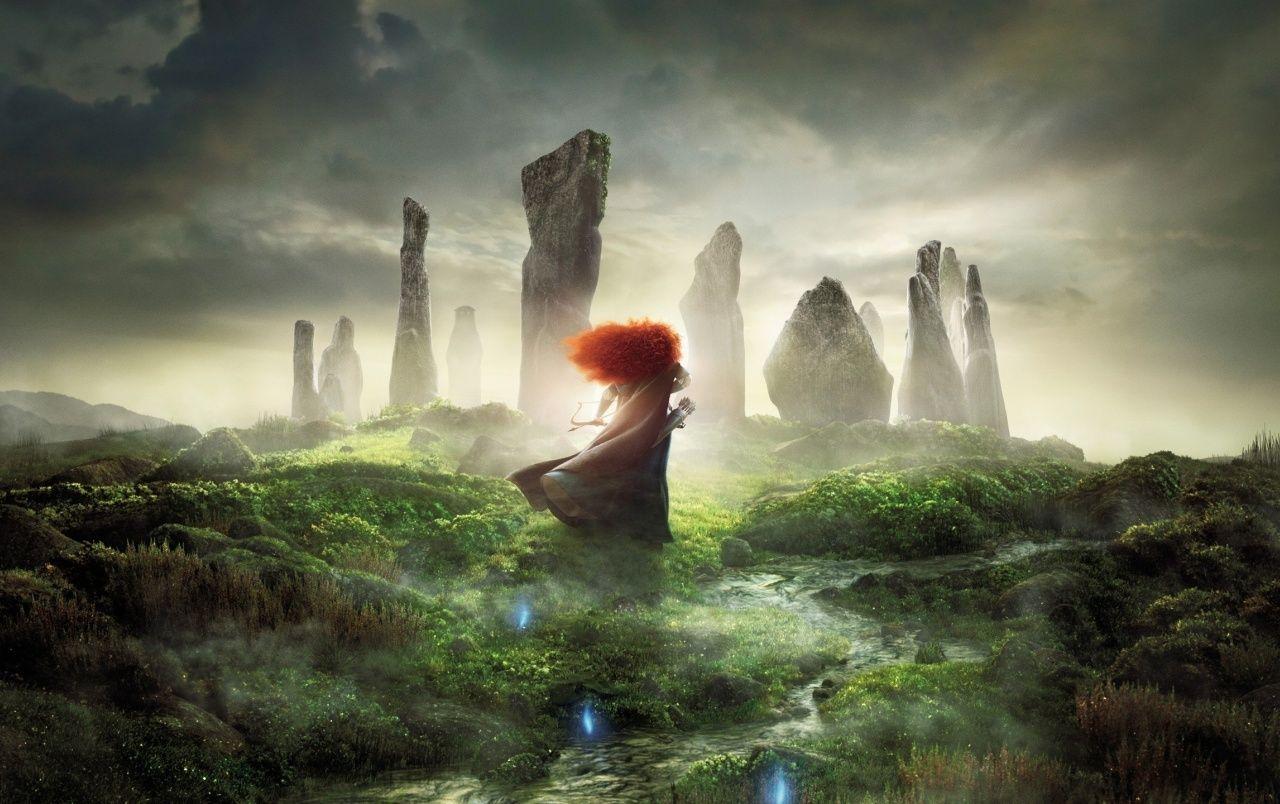
Retro graphic
Steampunk is the perfect marriage of the past and the future in full retrofied glory. Heavily influenced by Victorian-era aesthetics, an alternate history where a world that’s still powered by steam is able to create technologies that rival our futuristic imaginations.
The retro design offers a timeless quality that outlasts trends, giving a lasting appeal to any project. When combined with modern techniques and technology, retro elements help create fresh and unique visuals that stand out in today’s crowded digital world.
Pop Art is one of the most iconic examples of modern retro graphic design. It blends bold, graphic visuals with a sense of nostalgia for mid-20th-century popular culture. Pop Art takes retro elements and transforms them into a modern look with vibrant colors and visuals like comic strips.
The retro art style doesn’t have a definite history despite its prominent influence on graphic design and pop culture. Even long before the word retro was coined, graphic designers used references from the past in their art. Due to the fact that retro art is a broad category that includes many other styles, it’s hard to pinpoint when it emerged. For example, Art Deco emerged in the 1920s, while another retro art style, Art Nouveau was created in the 1890s.
If you want to go psychedelic for your next gig, album cover or video, check out this Psychedelic Music Flyer by Muhamadiqbalhidayat or these Colorful Psychedelic and Psychedelic Dance videos by nguluidu.