
Film illustration
“From the seconds after a bomb is detonated to a former scene of battle years after a war has ended, this moving exhibition focuses on the passing of time, tracing a diverse and poignant journey through over 150 years of conflict around the world, since the invention of photography monicaruidresses.com/sports-betting/red-sox/.
“In 1992 I was commissioned to make work by the Neue galerie in Graz, Austria and the theme was war or “krieg” as it is in German. Graz is on the border with Yugoslavia and there was war in Yugoslavia at the time. I think they were hoping that I would make something to do with the war that was taking place between Croatia and Serbia and Bosnia. I did go to the war; you went to Zagreb and got a UN pass and went in to the war zone. It was very interesting to be taken into the war zone but ultimately I got back to England and I decided – to the annoyance of the gallery – that I was thinking about Austria instead. At the time, the president of Austria, Kurt Waldheim, had been exposed as a member of the SS and had been informing Yugoslavia during the war and the Austrians were very unconcerned about this. I thought I’d much prefer to make work that had the Austrians confronting their Nazi past rather than about the current conflict. I knew about the prison in Barry Island in South Wales where the SS were held before they were sent to Nuremberg for the trial and I started taking a series of photographs in the prison. It was lucky that I did because it was demolished the following year by the MOD. It’s gone now. When I got there, I saw the prisoners had been drawing on the walls. They’re mossy and crumbling but you can see Germanic lettering and Bavarian landscapes and women with 1940s haircuts. They are evocative and powerful given the emotive history. ”
Conflict, Time, Photography brings together photographers who have looked back at moments of conflict, from the seconds after a bomb is detonated to 100 years after a war has ended. Staged to coincide with the centenary of the First World War, this major group exhibition offers an alternative to familiar notions of war reportage and photojournalism, instead focusing on the passing of time and the unique ways that artists have used the camera to reflect on past events.
“The idea of photographing absence became really important,” says Baker. “War is about destruction, removing things, disappearance. A really interesting photographic language about disappearance in conflict emerged and it is extremely powerful. How does one record something that is gone?””
Artists: Jules Andrieu, Pierre Antony-Thouret, Nobuyoshi Araki, George Barnard, Adam Broomberg and Oliver Chanarin, Luc Delahaye, Ken Domon, Roger Fenton, Ernst Friedrich, Jim Goldberg, Toshio Fukada, Kenji Ishiguro, Kikuji Kawada, An-My Lê, Jerzy Lewczyński, Emeric Lhuisset, Agata Madejska, Diana Matar, Eiichi Matsumoto, Chloe Dewe Mathews, Don McCullin, Susan Meiselas, Kenzo Nakajima, Simon Norfolk, João Penalva, Richard Peter, Walid Raad, Jo Ratcliffe, Sophie Ristelhueber, Julian Rosefeldt, Hrair Sarkissian, Michael Schmidt, Ursula Schulz-Dornburg, Indre Šerpytyte, Stephen Shore, Harry Shunk and János Kender, Taryn Simon, Shomei Tomatsu, Hiromi Tsuchida, Marc Vaux, Paul Virilio, Nick Waplington, Jane and Louise Wilson, and Sasaki Yuichiro.
Movie art
All images on CineMaterial.com are intended for non-commercial entertainment and education use only – reviews, fan art, blogs, forums, etc. CineMaterial is not endorsed, sponsored or affiliated with any movie studio. All copyrights, trademarks, and logos are owned by their respective owners. This site is for non-profit/educational use only. Using images from CineMaterial to make and/or sell reprinted movie posters is strictly forbidden.
Discover our unique selection of customizable movie-themed wall art to express your passion for the big screen. are you a real film fan? Then design your own four walls with our high-quality film wall pictures and immerse yourself in the world of your favorite films every day.With us you will find a variety of motifs – from classic film posters to modern interpretations of popular film scenes. Our wall pictures films are not only a visual highlight, but can also be perfectly tailored to your personal style. You have the opportunity to choose your desired motif and give it a personal touch. Whether it’s a name, favorite quote or a special date, we will design your mural exactly according to your ideas.Our mural films offer you:- Personalization options: Add a personal touch to your mural – High-quality materials: Long-lasting prints on canvas, acrylic glass or aluminum dibond – Variety of sizes: Choose the right size for your room – Easy installation: With the included installation set you can attach your mural quickly and easily – Safe packaging: your mural reaches you safe and soundMake your home a reflection of your film enthusiasm and enjoy the atmosphere that our film wall pictures create. Order now and create an ambience that perfectly reflects your love of film with just a few clicks. Our shop stands for quality and individuality – find your personal mural now and bring cinema magic into your four walls!
Movie posters, wall art, and movie artwork were staples in every room during the ’90s. They captured the essence of a film in a single image, showing visitors what you’re about and the type of movies you love. Movie canvas art was always used for this purpose. In our collection of movie paintings, you can find a horror film poster with dark themes or a comedy poster featuring bright colors and humorous imagery to set a light-hearted tone.
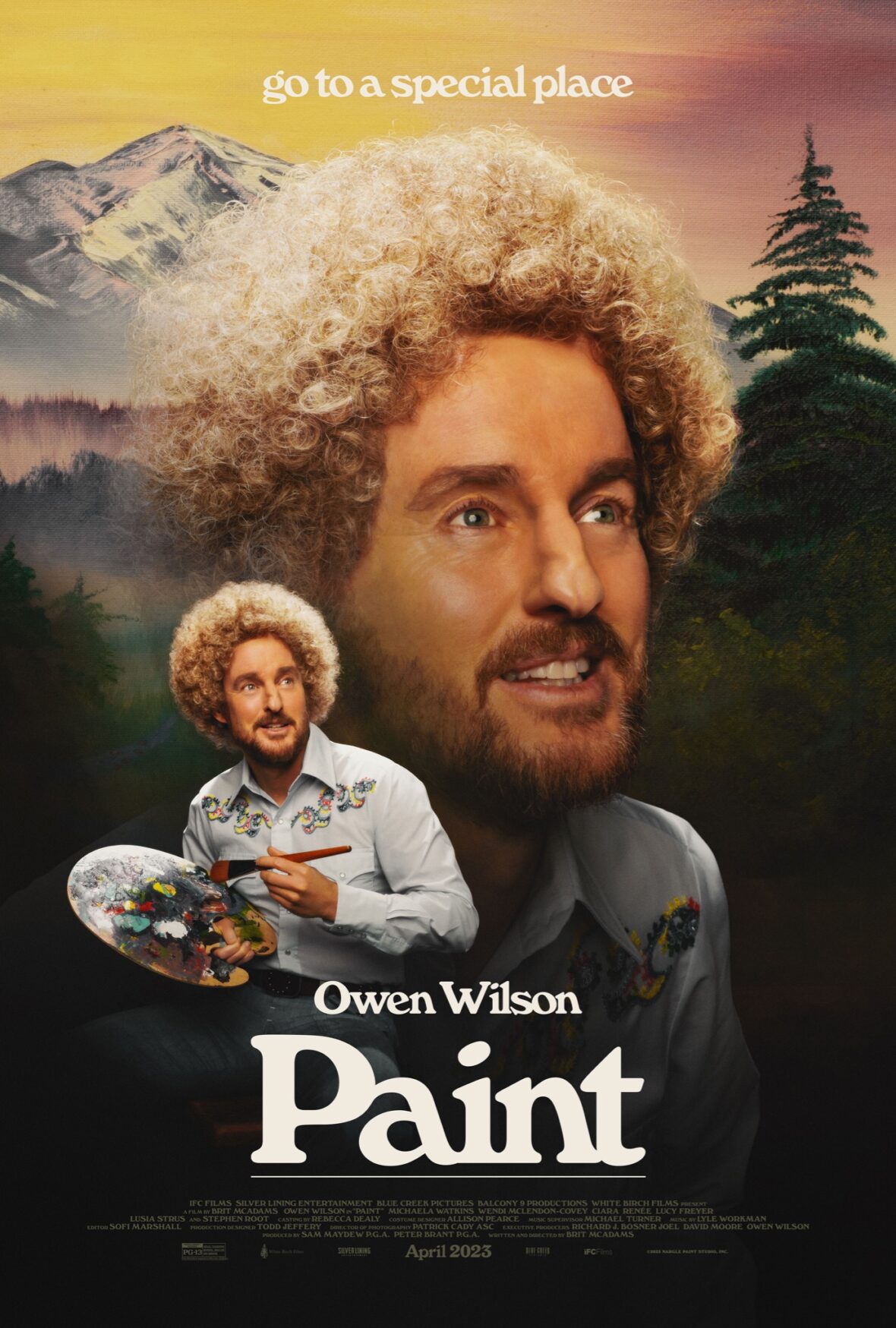
All images on CineMaterial.com are intended for non-commercial entertainment and education use only – reviews, fan art, blogs, forums, etc. CineMaterial is not endorsed, sponsored or affiliated with any movie studio. All copyrights, trademarks, and logos are owned by their respective owners. This site is for non-profit/educational use only. Using images from CineMaterial to make and/or sell reprinted movie posters is strictly forbidden.
Discover our unique selection of customizable movie-themed wall art to express your passion for the big screen. are you a real film fan? Then design your own four walls with our high-quality film wall pictures and immerse yourself in the world of your favorite films every day.With us you will find a variety of motifs – from classic film posters to modern interpretations of popular film scenes. Our wall pictures films are not only a visual highlight, but can also be perfectly tailored to your personal style. You have the opportunity to choose your desired motif and give it a personal touch. Whether it’s a name, favorite quote or a special date, we will design your mural exactly according to your ideas.Our mural films offer you:- Personalization options: Add a personal touch to your mural – High-quality materials: Long-lasting prints on canvas, acrylic glass or aluminum dibond – Variety of sizes: Choose the right size for your room – Easy installation: With the included installation set you can attach your mural quickly and easily – Safe packaging: your mural reaches you safe and soundMake your home a reflection of your film enthusiasm and enjoy the atmosphere that our film wall pictures create. Order now and create an ambience that perfectly reflects your love of film with just a few clicks. Our shop stands for quality and individuality – find your personal mural now and bring cinema magic into your four walls!
Retro graphic
While the retro art style and the vintage art style are considered by many to be the same thing, there are quite a few differences. This doesn’t mean you can’t use the terms interchangeably, however you should take into account that in a more technical sense there’s a difference between the two.
About the authorThis is the quest article by Ayesha Ambreen, a Creative Content Strategist, Top Author on Quora, Featured SlideShare Author, and Graphic Designer. Best known for her creative visuals and viral content ideas, Ayesha’s work has been featured on blogs such as Entrepreneur.com, LifeHacker, CreativeBloq, Hubspot and more. She holds a degree in telecommunication engineering with extensive experience in writing, outreach, strategic visuals, and search engine marketing.
A decade defined by bright colors, fluid patterns and LSD-inspired psychedelia, the 1960s were a massive turning point for graphic design. Moving away from the pin-up style, earth tones and intermittent splashes of color that dominated design in the 1950s, the 60s saw designers dipping their artistic wands into more creative, experimental styles.

While the retro art style and the vintage art style are considered by many to be the same thing, there are quite a few differences. This doesn’t mean you can’t use the terms interchangeably, however you should take into account that in a more technical sense there’s a difference between the two.
About the authorThis is the quest article by Ayesha Ambreen, a Creative Content Strategist, Top Author on Quora, Featured SlideShare Author, and Graphic Designer. Best known for her creative visuals and viral content ideas, Ayesha’s work has been featured on blogs such as Entrepreneur.com, LifeHacker, CreativeBloq, Hubspot and more. She holds a degree in telecommunication engineering with extensive experience in writing, outreach, strategic visuals, and search engine marketing.
A decade defined by bright colors, fluid patterns and LSD-inspired psychedelia, the 1960s were a massive turning point for graphic design. Moving away from the pin-up style, earth tones and intermittent splashes of color that dominated design in the 1950s, the 60s saw designers dipping their artistic wands into more creative, experimental styles.